

SEO Reputation Management (SERM) for Branded Search
SEO reputation management (SERM) services for finance, fintech, crypto, and high-risk brands. We control the first two pages of Google for your brand name, executive names, and category queries.










SEO Reputation Management (SERM) for Branded Search
SEO reputation management, or SERM, is the discipline of controlling what appears on the first two pages of Google for your brand name, executive names, product names, and any other query that decides whether a prospect trusts you. SERM combines owned-asset SEO, third-party publishing, review-platform optimization, and suppression to push negative content below page one and fill the visible SERP with assets you control or influence.
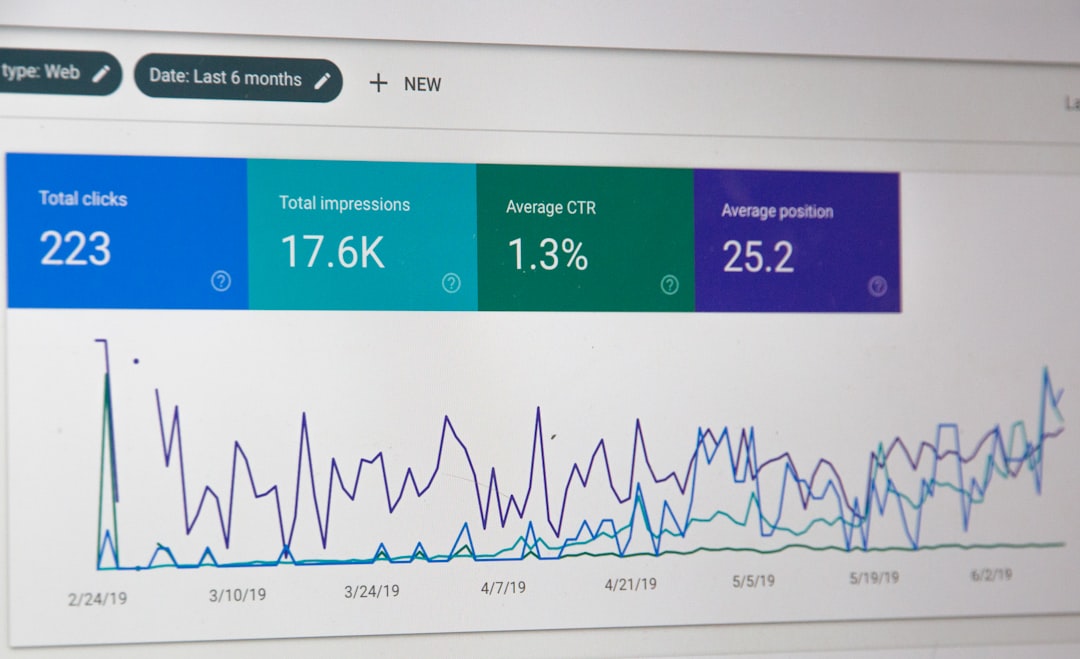
A clean first page of Google for your brand name is not a one-time achievement. New negative content appears, algorithms shift, competitors target your queries, and AI overviews reshape the SERP. SERM is run as a continuous service with quarterly audits and continuous content production so the gains compound instead of decaying.
How the engagement works
One integrated workflow, from policy validation to escalation and recovery.
Branded SERP audit covering top 20 organic
Branded SERP audit covering top 20 organic results, image pack, video pack, and AI overviews
Owned-asset SEO across your main domain, subdomains,
Owned-asset SEO across your main domain, subdomains, and microsites
Third-party authority publishing engineered to outrank specific
Third-party authority publishing engineered to outrank specific negative URLs
Review-platform optimization so your Google, Trustpilot, and
Review-platform optimization so your Google, Trustpilot, and category-platform profiles rank
Suppression of negative news articles, complaint sites,
Suppression of negative news articles, complaint sites, and adversarial blog content
Quarterly SERM reporting with position-by-position movement on
Quarterly SERM reporting with position-by-position movement on every tracked URL
Industries we serve with SEO Reputation Management
Focused pages for the verticals where this service has the clearest buyer intent.

Forex
SERM for forex brokers. INFINET helps regulated and offshore brokers, prop firms, and trading platforms reshape branded search results with removal, suppression, content creation, authority building, and entity optimization.

Cryptocurrency
SERM for crypto brands. INFINET helps exchanges, protocols, token projects, wallets, and Web3 startups reshape branded search results with removal, suppression, content creation, authority building, and entity optimization.

iGaming and Casinos
SERM for igaming operators. INFINET helps online casinos, sportsbooks, poker rooms, and gaming studios reshape branded search results with removal, suppression, content creation, authority building, and entity optimization.
Frequently Asked Questions
Clear answers for teams comparing ORM, SERM, review, and authority-building options.
What is SERM (SEO reputation management)?
SERM is the practice of controlling what appears on the first two pages of Google for queries that determine brand trust: your company name, your company name plus "review" or "scam," your executive names, and category queries where prospects research alternatives.
How is SERM different from SEO?
SEO targets traffic-driving queries with commercial intent. SERM targets trust-decision queries, most of which have low traffic but extremely high conversion impact.
Can you suppress a specific negative article?
Yes, when the article is suppressible. Suppression works by ranking authoritative positive assets above the negative URL until it falls below the visible SERP. Articles on extremely high-authority outlets are harder to suppress, and we tell you upfront which targets are realistic.
How long does SERM take?
First measurable shifts on a contested branded SERP typically appear within 90 days. Full first-page control usually takes 6 to 12 months, depending on the competitive density of negative content.
Related insights
Deep dives that explain how this service plays out in real reputation solutions.

Forex SEO: How to Rank on Google's First Page
The Forex market is extremely competitive online. Even a slight improvement in search visibility can significantly increase registrations and deposits.

How to Remove Negative Content from Google Search
When negative content starts ranking on Google, it affects trust, conversion rates, and sometimes regulatory perception. Discover how professional removal services protect your brand.
Ready to Get Started?
Talk to an INFINET specialist about your reputation goals.